Ask ve Taht
The Historical Legacy of Sultan Alaeddin Keykubad I
Sultan Alaeddin Keykubad I (often written as Alauddin Kayqubad) is universally recognized by historians as the greatest and most illustrious ruler of the Seljuk Sultanate of Rum (Anatolian Seljuks). Reigning from 1220 to 1237, his era is considered the absolute “Golden Age” of the empire, marked by massive territorial expansion, economic prosperity, and brilliant architectural achievements.
Here is the true history of the Sultan behind the Aşk ve Taht (Love and Throne) drama.
⚔️ Military Conquests and Expansion
Alaeddin Keykubad was a brilliant military strategist who secured Anatolia from multiple threats and expanded its borders to the seas.
The Conquest of Alanya: In 1221, he conquered the vital Mediterranean port city of Kalon Oros, renaming it Alaiye (modern-day Alanya) in his honor. He established a powerful naval arsenal there, making the Seljuks a formidable maritime power.
The Battle of Yassıçemen (1230): When the Khwarazmian ruler Jalal al-Din Mingburnu entered Anatolia, Keykubad formed an alliance with the Ayyubids and decisively defeated him at Yassıçemen. This victory secured his eastern borders.
Black Sea Dominance: He expanded his reach to the north, capturing parts of the Crimean Peninsula (Sudak) to protect Seljuk trade routes along the Black Sea.
🏛️ The Golden Age of Architecture and Culture
Beyond his military might, Keykubad is famous for physically transforming Anatolia into a hub of Islamic civilization.
Monumental Building: He fortified major cities like Konya, Kayseri, and Sivas. He commissioned the famous Kubadabad Palace on Lake Beyşehir and the magnificent Yivli Minare in Antalya.
The Caravanserais: To boost the economy, he built a massive network of fortified inns called caravanserais (such as the Sultanhanı) across Anatolia. This made Seljuk lands the safest and most profitable trade route in the world, heavily enriching the state.
Patron of Scholars: His court in Konya became a sanctuary for the Islamic world’s greatest minds fleeing the Mongol invasions. The family of the legendary Sufi poet Jalal al-Din Rumi (Mevlana) settled in Konya under his protection.
🛡️ The Shadow of the Mongols
Keykubad was one of the few rulers of his time who fully understood the existential threat posed by the rapidly expanding Mongol Empire. Instead of provoking them prematurely, he employed careful diplomacy, occasionally sending tributes to Ogedei Khan to buy time while heavily fortifying his eastern castles and cities. His strategic genius kept the Mongols out of Anatolia during his lifetime.
☠️ A Tragic and Mysterious Death
The end of Keykubad’s reign is shrouded in dark intrigue, a theme often explored in historical dramas.
The Poisoning (1237): While hosting a grand feast in Kayseri for foreign ambassadors, Sultan Alaeddin ate some roasted meat and suddenly fell violently ill. He died shortly after.
The Suspects: Most historical sources, including the famous chronicler Ibn Bibi, suggest he was poisoned. The primary suspects were his ambitious viziers (like Sa’d al-Din Köpek) and his own son, Ghiyath al-Din Kaykhusraw II, who seized the throne immediately after his death.
The Empire’s Fall: Following Keykubad’s death, the Seljuk state fell into incompetent hands. Just six years later (1243), the Mongols crushed the Seljuk army at the Battle of Köse Dağ, marking the end of Seljuk independence.
-
Oct- 2026 -8 October
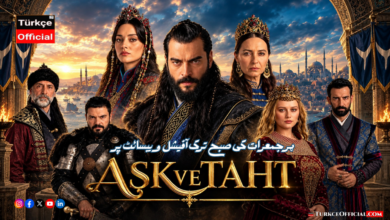
Aşk ve Taht Episode 5 in Urdu Subtitle – Final Episode
Aşk ve Taht Episode 5 in Urdu Subtitle – Final Episode Aşk ve Taht Episode 5 in Urdu Subtitle is…
Read More » -
Sep- 2026 -18 September
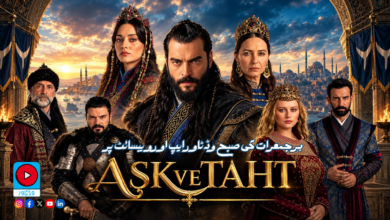
Aşk ve Taht Episode 4 in Urdu Subtitle
Aşk ve Taht Episode 4 in Urdu Subtitle – Watch Online Aşk ve Taht Episode 4 continues the dramatic historical…
Read More » -
18 September
Aşk ve Taht Episode 3 in Urdu Subtitle
Aşk ve Taht Episode 3 in Urdu Subtitle – Watch Online Aşk ve Taht Episode 3 continues the dramatic story…
Read More » -
17 September
Ask be Taht Episode 02 In Urdu Subtitle
Aşk ve Taht Episode 2 in Urdu Subtitle – Watch Complete Episode Online Aşk ve Taht Episode 2 continues the…
Read More » -
9 September
Ask Ve Taht Episode 1 In Urdu Subtitle – Watch Online
Here is a comprehensive, long-form SEO article tailored for Turkce Official. It is deeply detailed, incorporates the true historical background…
Read More »