The Great Seljuks
Gemini said
The “Great Seljuks” refers to both a significant historical medieval empire and a popular Turkish television drama, Uyanış: Büyük Selçuklu (Awakening: Great Seljuk), which dramatizes that era.
Below is a detailed breakdown of both the historical empire and the television series.
1. The History of the Seljuk Empire (1037–1194 CE)
The Seljuk Empire was a Persianate, Sunni Muslim empire founded by the Oghuz Turks. It played a critical role in the Islamic Golden Age and the “Turkification” of Anatolia.
+1
Origins: The dynasty is named after Seljuk Bey, a leader of the Kınık tribe of Oghuz Turks. Originally nomads in Central Asia, they converted to Islam in the late 10th century.
+1
Founding: Under Tughril Beg (the first Sultan), the Seljuks captured Baghdad in 1055, becoming the “protectors” of the Abbasid Caliphate.
The Battle of Manzikert (1071): Under Sultan Alp Arslan, the Seljuks defeated the Byzantine Empire. This victory opened Anatolia (modern-day Turkey) to Turkish settlement, fundamentally changing the region’s history.
+2
The Golden Age: The empire reached its peak under Sultan Malik-Shah I and his brilliant Vizier, Nizam al-Mulk. During this time:
Isfahan became the capital.
The Nizamiyya Universities were established, fostering scholars like Al-Ghazali and Omar Khayyam.
They faced internal threats from the Order of Assassins (Batinis) led by Hassan-i Sabbah.
Decline: After Malik-Shah’s death, internal civil wars between his sons and the pressure from the Crusades and later the Mongol invasions led to the empire’s fragmentation into smaller “Beyliks.” One of these branches, the Sultanate of Rum, survived longer and eventually paved the way for the Ottoman Empire.
2. The TV Series: Uyanış: Büyük Selçuklu
This historical drama focuses specifically on the reign of Sultan Malik-Shah I and the secret life of his son, Ahmad Sanjar.
Plot Focus: The series depicts the Seljuks’ struggle on two fronts:
External: Battles against the Byzantine Empire and rival states.
Internal: The “invisible war” against Hassan-i Sabbah and his secret order of Assassins who sought to destroy the state from within.
Main Characters:
Sultan Malik-Shah (Buğra Gülsoy): The powerful and strategic ruler of the Seljuks.
Ahmed Sencer / Sanjar (Ekin Koç): Malik-Shah’s hidden son, raised in secret by Nizam al-Mulk, who serves as a heroic warrior and covert agent for the state.
Nizam al-Mulk (Mehmet Özgür): The wise Vizier and author of Siyasatnama (The Book of Government).
Terken Hatun (Hatice Şendil): The Sultan’s ambitious wife who navigates palace intrigues.
Hassan-i Sabbah (Gürkan Uygun): The primary antagonist and leader of the Batinis.
Key Historical Figures & Their Roles
Figure Role Significance
Tughril Beg Founder Established the empire and freed the Caliph from Buyid control.
Alp Arslan 2nd Sultan Hero of the Battle of Manzikert; expanded into Anatolia.
Malik-Shah I 3rd Sultan Reached the empire’s maximum borders; patron of arts and science.
Nizam al-Mulk Grand Vizier Developed the “Iqta” system of land management and state administration.
Ahmad Sanjar Last Great Sultan Ruled for decades, maintaining the empire’s eastern territories before its final decline.
Legacy
The Seljuks are credited with blending Turkish military power with Persian culture and Islamic law. Their architectural style—notable for grand “Iwan” portals and intricate tile work—can still be seen today in cities like Isfahan (Iran) and Konya (Turkey).
-
Apr- 2026 -4 April
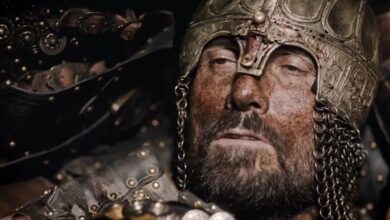
The Great Seljuk Episode 1 In Urdu Subtitle
The Great Seljuk Episode 1: The Epic Beginning of a Golden Empire If you are a fan of historical dramas…
Read More »